Source Hotel Restaurant Cup Lid Dispenser for Hotels, Restaurants, and Kitchens
Source the hotel restaurant cup lid dispenser for commercial use. Compare 30 models including 2-head and 4-hole dispensers made from stainless steel or plastic. These units feature durable designs, logo printing options, and global export availability for efficient service; compare the available evidence and request quotations based on your requirements.
Key considerations
Products List










Comprehensive Sourcing Guide
Hotel Restaurant Cup Lid Dispenser Sourcing Guide
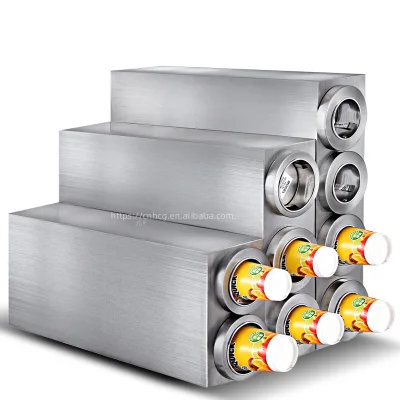
Procurement teams must first distinguish between disposable paper cup dispensers and durable commercial units designed for high-volume environments. The market offers distinct product categories, ranging from small, round, blue paper dispensers with logo printing to large stainless steel units featuring dual heads for efficient operation. Buyers should verify whether the specific application requires a manual or automatic grade system, as this dictates the operational workflow and labor requirements within the facility.
Selection criteria must align with the physical dimensions and capacity needs of the target venue. Listings indicate models with specific dimensions such as 200x700x350mm or larger variants up to 250x750x700mm, catering to different counter spaces. It is critical to confirm the cup size compatibility, which ranges from 70mm to 103mm, ensuring the dispenser accommodates the specific lids and cups used by the establishment to prevent jams or misalignment during service.
Product Scope and Observed Listing Signals
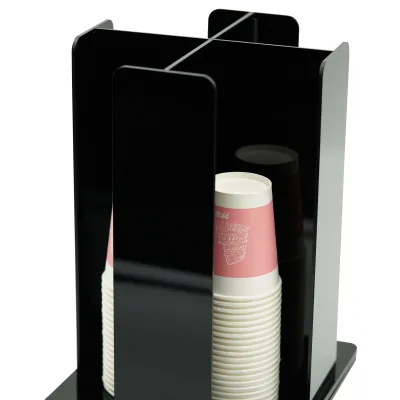
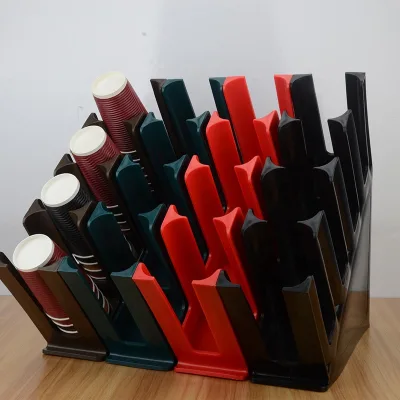
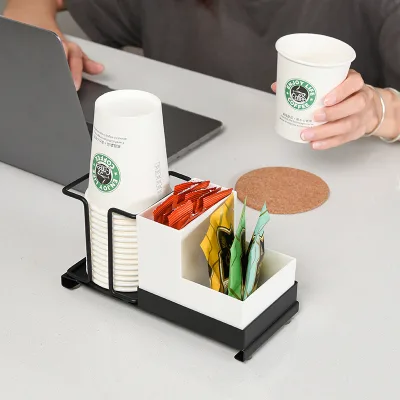
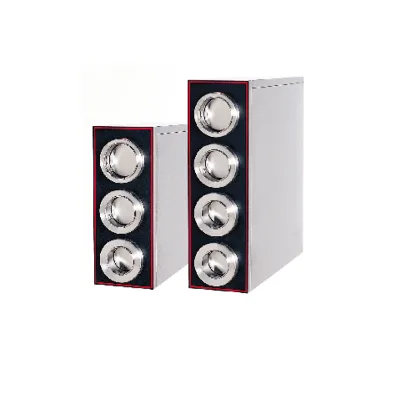
The available product scope spans from basic fashion-style paper dispensers to heavy-duty commercial units with features like optional diameters and durable stainless steel construction. Buyers will encounter items described with specific attributes such as "2-Head Cup Dispenser" or "Commercial Plastic Cup Dispenser (4-Hole)," indicating varying levels of throughput capability. Understanding these distinctions is essential for matching the equipment to the expected daily volume of a hotel kitchen or restaurant service area.
Listing signals often highlight customization options, including OEM acceptance and the ability to print logos on the unit. While some products are packaged in simple OPP bags, others require strong cartons with wooden bars for international shipping, reflecting the weight and fragility of the item. Procurement officers should scrutinize these packaging details to estimate logistics costs and ensure the product arrives without damage, particularly for heavy units with a gross weight of 25kgs.
Technical Specifications to Verify
Dimensional accuracy is a primary verification step, as models vary significantly from compact 140x140x690mm units to larger 200x700x650mm structures. Buyers must cross-reference the listed dimensions with the available counter space in their facility to ensure a proper fit. Additionally, the net weight of 23kgs for certain models suggests a robust build, which is necessary for commercial durability but requires careful handling during installation and maintenance.
Cup size compatibility must be strictly validated against the inventory of lids and cups the venue utilizes. Specifications list ranges such as 7079mm, 7889mm, and 103mm, meaning a single dispenser may not serve all cup types. Verifying the exact head configuration, such as the 2-head or 4-hole designs, ensures the machine can handle the specific lid shapes and sizes required for the menu, preventing operational bottlenecks during peak service hours.
Compliance and Safety Documentation
Safety and quality assurance rely on verifying the presence of recognized certifications like ISO9001 and CE, which indicate adherence to international manufacturing standards. While some listings mention SGS standards, buyers should request specific test reports to confirm that the materials, such as Stainless Steel #430 or paper components, meet food safety regulations for the intended market. This documentation is crucial for maintaining compliance in regulated environments like hotels and commercial kitchens.
Documentation must also confirm the product condition and origin to ensure reliability. Most listed items are marked as "New" and originate from manufacturing hubs in Yangzhou or Guangdong, China. Procurement teams should verify that the supplier provides clear evidence of the product's condition and that the manufacturing process adheres to the stated standards, ensuring the equipment is safe for direct contact with food service items and durable enough for continuous use.
Cost Drivers and Commercial Terms
Pricing structures in this category exhibit a wide range, observed from $0.01 to $557, driven by material composition, complexity, and customization levels. Basic paper dispensers with simple logo printing command lower prices, whereas heavy-duty stainless steel units with multiple heads and advanced features incur higher costs. Buyers must analyze the total cost of ownership, including the durability of the material and the potential for reduced maintenance over time, rather than focusing solely on the initial unit price.
Commercial terms are heavily influenced by the Minimum Order Quantity (MOQ), which varies from 1 unit to 30,000 units depending on the supplier and product type. Customization requests, such as specific branding or unique dimensions, often trigger higher MOQs and longer lead times. Procurement strategies should balance the need for customization with the economic benefits of bulk purchasing, ensuring that the order volume aligns with the supplier's production capacity and the buyer's storage capabilities.
Supplier Qualification and Quality Control
Supplier qualification requires a thorough review of their export markets and production capabilities, as many manufacturers serve a global audience. The presence of OEM acceptance and customized production options suggests a flexible manufacturing base, but buyers must verify the supplier's track record in delivering consistent quality. Checking the origin, whether Yangzhou or Guangdong, can provide insights into the regional supply chain strengths and the typical quality standards associated with those manufacturing clusters.
Quality control protocols should be established to ensure the product meets the specified standards before shipment. Given the variation in packaging from OPP bags to strong cartons with wooden bars, the supplier must demonstrate a robust packing process to prevent damage during transit. Buyers should request pre-shipment inspections or third-party quality reports to confirm that the final product matches the agreed specifications regarding weight, dimensions, and material integrity.
Long-Term Procurement Checks
Sustainable procurement involves monitoring the long-term performance of the dispenser in real-world conditions, such as high-traffic hotel kitchens or busy restaurant service lines. Buyers should track the durability of the stainless steel or paper components over time to ensure the equipment remains functional and hygienic. Regular assessments of the product's condition will help identify any recurring issues with cup size compatibility or mechanical failures that could disrupt service.
Future procurement decisions should be informed by the supplier's ability to maintain consistent supply and support. As the market offers various models with different features, maintaining a relationship with a supplier who can provide consistent quality and timely restocking is vital. Buyers should also stay updated on any changes in standards or certifications to ensure continued compliance and operational efficiency in their food service operations.
FAQs
Can I get custom logo printing on these cup dispensers?
Yes, logo printing is available for these cup dispensers. The products support customization and feature fashion styles with blue or silver colors. You can request specific designs while maintaining the durable and easy-use features required for commercial settings.
What certifications do the cup dispensers hold?
The cup dispensers hold ISO9001 and CE certifications. These standards ensure quality management and safety compliance for the products. The items also meet SGS standards, making them suitable for export to global markets and various commercial applications.
Which dimensions are available for the cup dispenser models?
Available dimensions include 200x700x350mm, 200x700x500mm, and 200x700x650mm depending on the model. Specific models like Hwc-3 and HWC-2 offer different sizes. The cup sizes range from 70mm to 103mm to fit various requirements in hotels and kitchens.
How is the product packed for shipping?
Products are packed in OPP bags or strong cartons with wooden bars. Some items use standard cartons for protection during transit. This packaging ensures the durable stainless steel or paper components remain safe while being shipped to international destinations from China.
Can I order small quantities for testing purposes?
Yes, you can order small quantities as the minimum order quantity starts at one unit. The maximum order capacity reaches up to 30,000 units. This flexibility allows buyers to test the new condition products before committing to larger bulk orders.
What materials are used to make these dispensers?
The dispensers are made from stainless steel #430 or paper materials. These materials ensure durability and ease of use in restaurant kitchens. The choice of material supports the fashion style and functional requirements for both home and commercial usage scenarios.
Where are these cup dispensers manufactured?
These cup dispensers are manufactured in Yangzhou and Guangdong, China. The products are designed for global export markets. Origin locations ensure consistent quality standards while meeting the specific needs of international buyers seeking reliable commercial equipment.